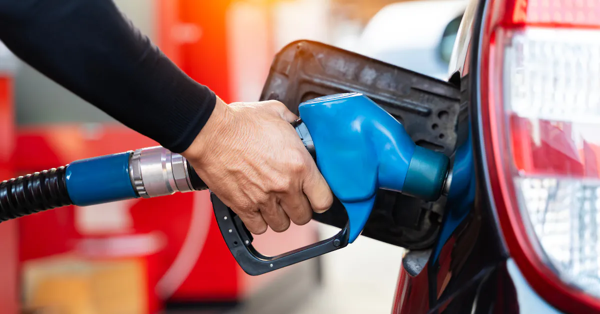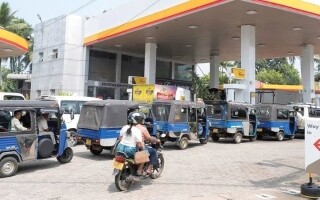
The Philippines, which imports about 95% of its oil needs, is highly vulnerable to global supply disruptions and price fluctuations. President Ferdinand Marcos Jr. confirmed that the country currently has enough fuel, while transport operators are already feeling the pressure of the crisis. A small public bus driver in Cavite province, south of Manila, Oriel Bataclan, said: 'Ticket prices remain the same, but of course our profits are less because diesel is expensive.' To mitigate the impact on the transport sector, the government announced a fuel subsidy of 5,000 Philippine pesos (about $84) for public vehicle drivers, but Bataclan is unsure when this aid will arrive. To counter the oil shock, Asian countries are implementing a variety of measures. South Korea has imposed a fuel price cap to curb the sharp rise in energy costs, while Bangladesh and Myanmar have begun distributing fuel on a rationed basis. Governments are also taking strict measures to limit energy consumption: Vietnam and Thailand are implementing work-from-home policies, Bangkok has urged civil servants to avoid using elevators and use stairs instead, and Pakistan has closed schools and shifted universities to online learning. The Philippines plans to introduce a four-day work week for government employees. Analysts warn that if the flow of oil does not resume, the entire supply chain in Asia could collapse. Among the countries affected by the disruptions, oil importers such as India, Bangladesh, Myanmar, Thailand, and the Philippines are particularly vulnerable. However, China, the world's largest oil importer, is less exposed to risks, as it meets half of its energy needs (50%) from coal and relies on oil for only 17%. Additionally, China's rapid expansion of renewable energy resources in recent years, such as solar, wind, and hydropower, has further reduced its exposure to risks.