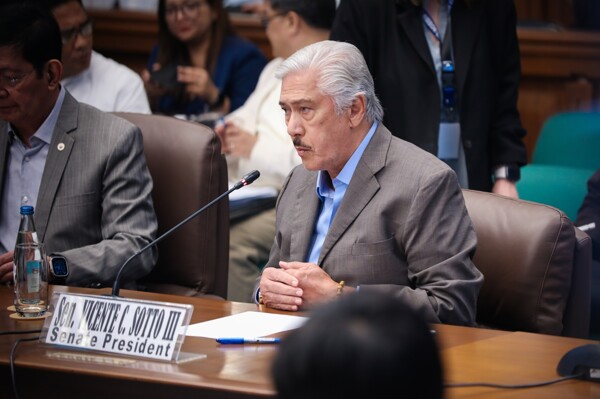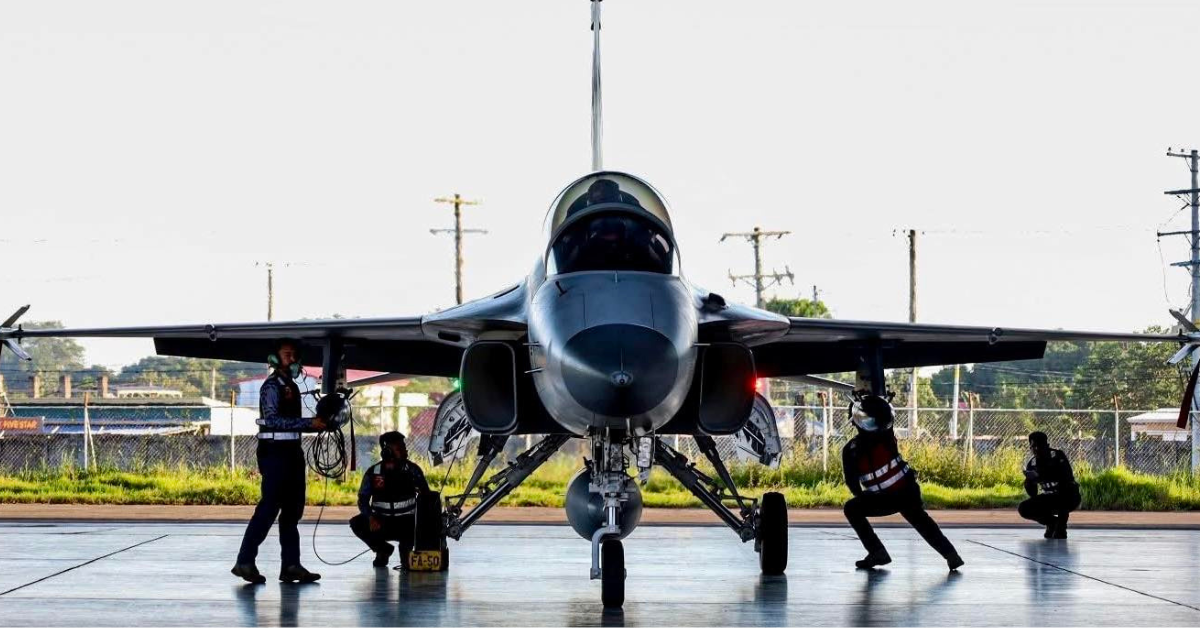
Senator Jinggoy Estrada has filed a resolution urging the Senate to conduct an oversight inquiry into the implementation of the Armed Forces of the Philippines (AFP) Modernization Program amid delays and funding constraints. Estrada, who serves as vice chair of the Senate Committee on National Defense and Security, expressed concern over what he described as the “sluggish” implementation of the AFP Modernization Program despite its crucial role in protecting national sovereignty and territorial integrity. He noted that as of 2025, several projects across the program’s three phases remain unfinished — including 15 from Horizon 1 (2013–2017), 73 from Horizon 2 (2018–2022), and 37 from Horizon 3 (2023–2027). Estrada also lamented the drastic cut in the Department of National Defense’s (DND) proposed ₱133.7 billion budget for Fiscal Year 2026, which was reduced to only ₱90 million under the National Expenditure Program. Estrada called on the appropriate Senate committees to examine the program’s progress and recommend legislative measures to strengthen the country’s defense posture amid rising tensions in the West Philippine Sea, continuing harassment of Filipino fishermen and maritime personnel, and growing cyber threats. “Our defense posture must evolve rapidly. We cannot afford delays when the safety and security of the Filipino people are at stake,” Estrada said. “Our soldiers are ready to defend the country, but we must equip them with the tools and technology necessary to do so effectively.” Estrada emphasized that modernization goes beyond acquiring new equipment, saying it also involves developing the country’s overall defense capabilities to effectively address traditional and emerging security challenges.
“This stark gap between proposed and actual funding reflects the budgetary constraints that continue to hinder progress,” he said.