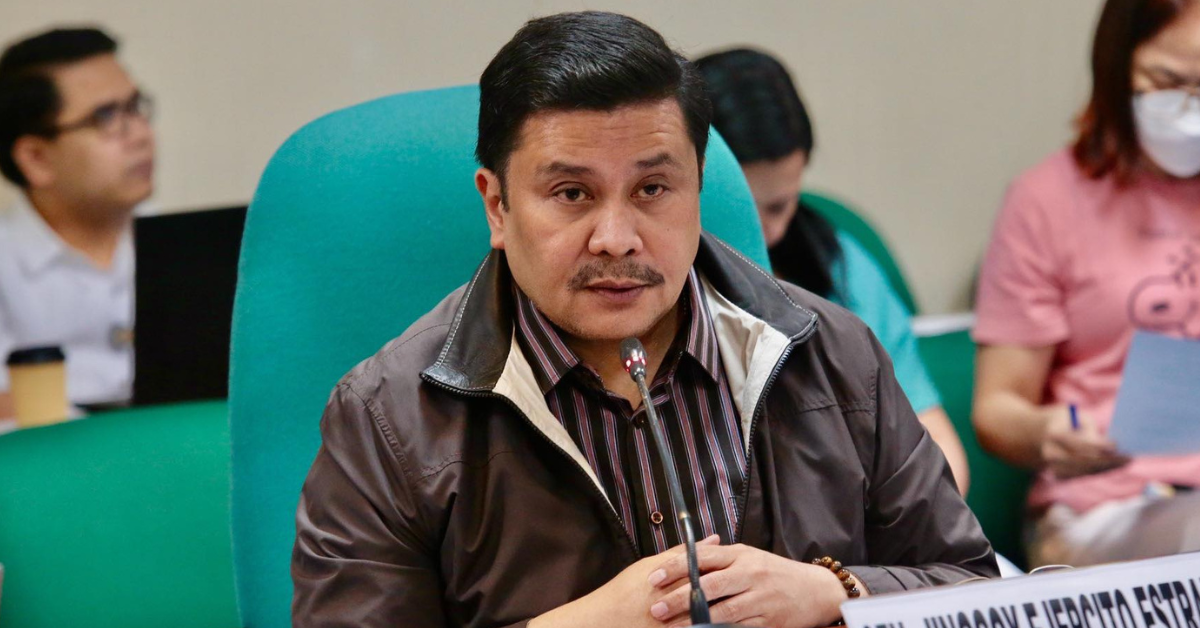
Senator Jinggoy Estrada has filed a bill seeking the creation of a “Philippine Death Check Register” to prevent the use of deceased individuals in bogus hospital claims or electoral fraud. Estrada introduced Senate Bill 1024, or the proposed Online Death Verification System Act, which he said aims to strengthen fraud detection across government agencies. Under the measure, agencies such as the Commission on Elections (COMELEC), Philippine Health Insurance Corporation (PhilHealth), Government Service Insurance System (GSIS), Social Security System (SSS), Home Development Mutual Fund (Pag-IBIG), and Philippine Veterans Affairs Office (PVAO) would gain access to verified death data to prevent identity and benefit fraud. The Philippine Death Check Register would be maintained by the Philippine Statistics Authority (PSA) as a centralized, electronic database containing mortality data registered with local civil registrars. The register would include details such as date of death, age at death, place of death, civil status, and other information necessary for validating claims. Estrada cited the “ghost dialysis scam”, where hospitals claimed PhilHealth reimbursements for deceased patients, as a key example of the need for the system. “Dubbed as ‘ghost dialysis,’ the scheme highlighted weaknesses in the bureaucracy and lack of cooperation among government agencies as it provided impetus for stronger anti-fraud mechanisms and more effective fraud detection and prevention efforts,” he said. The senator also noted that easy access to mortality data would help prevent the inclusion of “ghost voters” in voter lists, which he described as a longstanding problem in the electoral system.