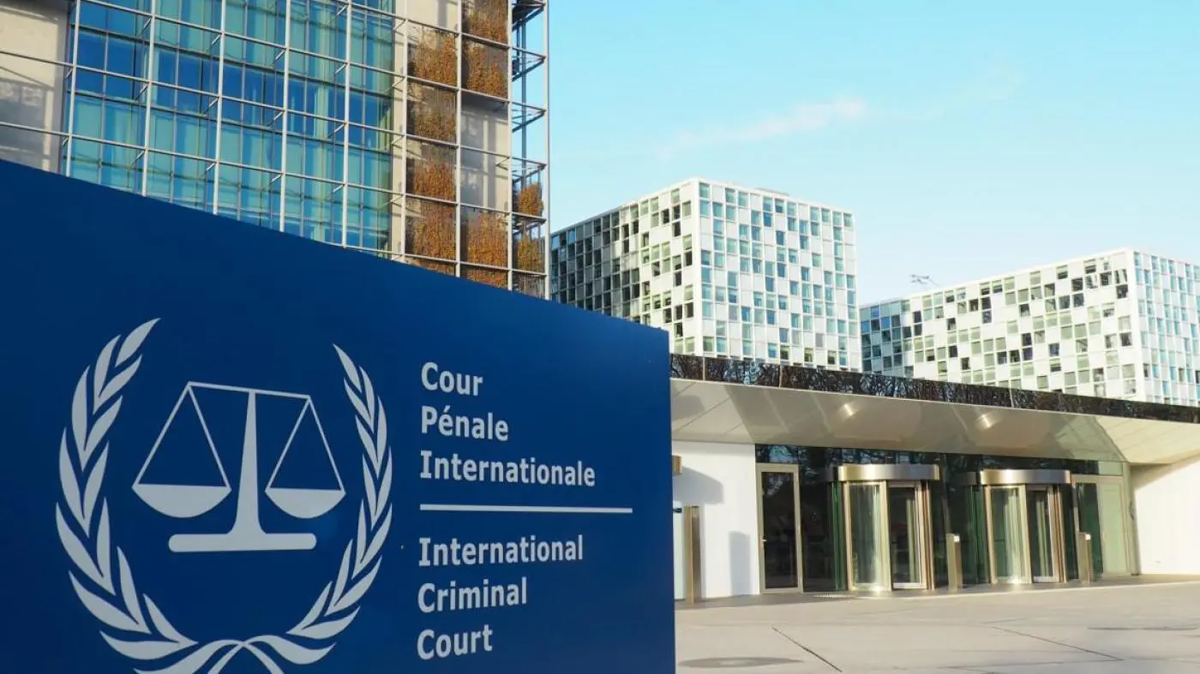
International Criminal Court (ICC) prosecutors have urged judges to deny former President Rodrigo Duterte’s appeal for temporary release, arguing that freeing him would pose serious risks to the integrity of the court’s proceedings. In a 23-page filing dated October 31, prosecutors said Duterte’s detention remains necessary under the Rome Statute, noting that the Pre-Trial Chamber correctly determined his release could lead to flight, obstruction of witnesses, or further crimes. They emphasized that Duterte’s political influence—bolstered by his network of allies and his daughter Vice President Sara Duterte’s current position—could allow him to undermine justice if freed. The filing even cited Sara Duterte’s previous remarks about “breaking Mr. Duterte out of the ICC Detention Centre” as evidence of continuing defiance toward the court. Prosecutors dismissed claims from Duterte’s legal team that his health and cognitive condition justified release, saying medical reports failed to prove that his situation negated the risks of obstruction or evasion. They further argued that Duterte’s history of defying the ICC, combined with his family’s political power in the Philippines, increases the danger of witness intimidation and misinformation campaigns. He has been detained at the ICC facility in The Hague since March, following his surrender after a warrant of arrest was issued. The Pre-Trial Chamber I had earlier rejected his bid for interim release on October 23, ruling that Duterte remains a flight risk and could obstruct justice if released. According to prosecutors, even conditions like electronic monitoring or travel restrictions would not sufficiently prevent interference. Duterte faces crimes against humanity charges related to thousands of killings during his anti-drug campaign and time as Davao City mayor. Prosecutors now ask the Appeals Chamber to uphold that decision “in the interest of justice and witness protection.”