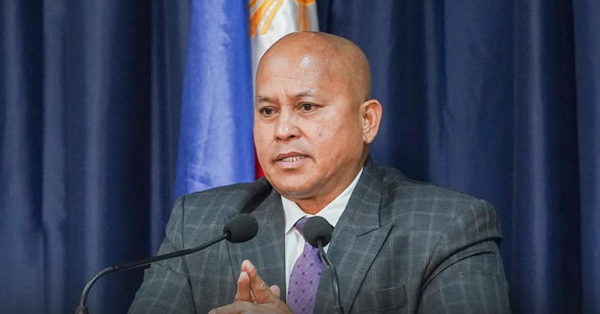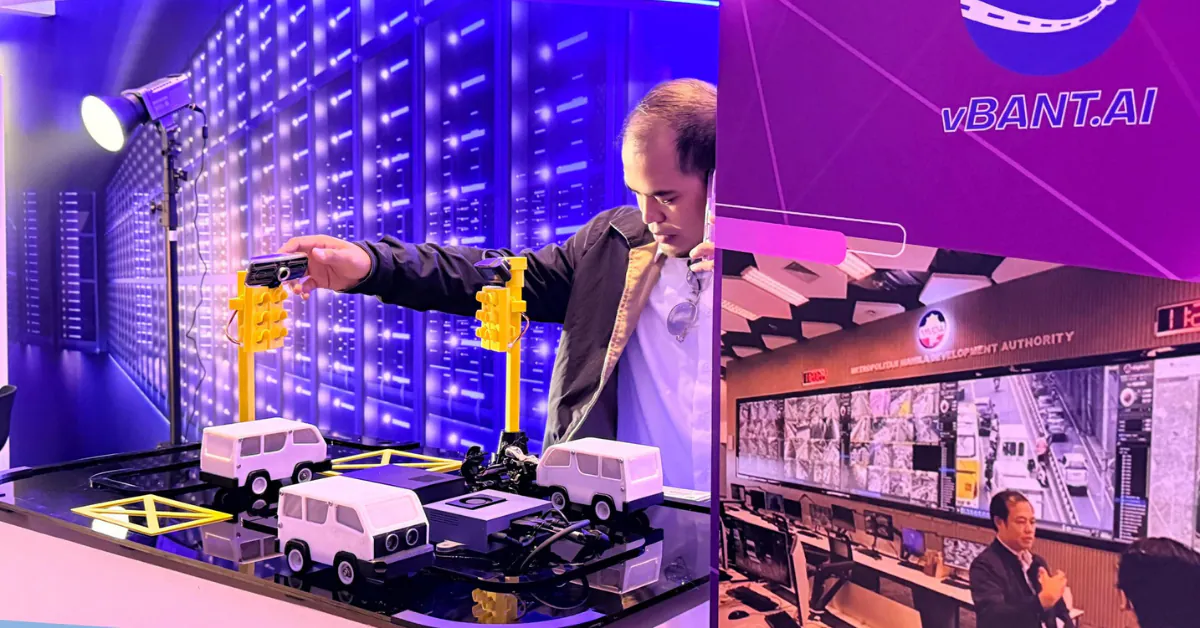
The Philippines is not significantly lagging in artificial intelligence (AI) integration and adaptation, the Department of Science and Technology (DOST) said as it formally launched the National AI Center for Research and Innovation (NAICRI). DOST Secretary Renato Solidum Jr. said the creation of NAICRI signals the country’s deliberate move to embrace AI as a transformative technology. “Artificial intelligence has become a general-purpose technology. Its impact is comparable to electricity and the Internet. It is reshaping how industries operate, how governments deliver services, and how nations compete,” Solidum said. He added that NAICRI represents the country’s shift from “fragmented, project-based AI efforts” to a more institutionalized, coordinated, and scalable approach. Under DOST, NAICRI will serve as the central hub for AI research, computing resources, and capacity-building initiatives, and will implement the National AI Strategy for the Philippines (NAIS-PH). Solidum noted that while more than 80% of digital data in the country covers basic data infrastructure, only about 15% has adopted AI technologies, with implementation unevenly distributed across sectors and regions. “If you look at the overall ranking of the Philippines, we’re above 50%. We’re not very late,” he said, clarifying that the country is not aiming to compete in developing large language models dominated by private firms and major economies. NAICRI has initially rolled out five AI infrastructures covering disaster resilience, agriculture, education, business, traffic management, and information distribution. Addressing concerns over AI’s high consumption of electricity and water, Solidum said resource use is inherent in any advanced technology but stressed the importance of building sustainable systems. “Power consumption is a given, but we need to be conscious enough to build structures that are green and more sustainable, minimizing impact on power and water,” he said. Solidum underscored the need for strong coordination with local government units to identify practical use cases for AI that can improve public services. “AI is a tool that can facilitate, but what is important is the strategy. We are not just doing it to say that we have AI,” he said. He also presented the agency’s “Three-Horizon Approach,” with the first horizon focused on boosting the productivity of micro, small, and medium enterprises (MSMEs) through AI-enabled programs and other innovations. The DOST is also pushing for a national “human-centered” AI framework to ensure inclusivity as emerging technologies advance. Solidum emphasized that technology without data is ineffective and highlighted the need to upskill Filipinos to adapt to new developments. He acknowledged structural challenges, including limited advanced computing power, a shortage of specialized AI talent, uneven regional adoption, and governance frameworks that have yet to keep pace with technological developments. “If these gaps are not addressed, they will constrain our ability to compete in an increasingly AI-driven global economy. Instead, he pointed to the advantage of building a sovereign dataset. But if they are addressed strategically, they become the very foundations of our next phase of national development,” Solidum said.