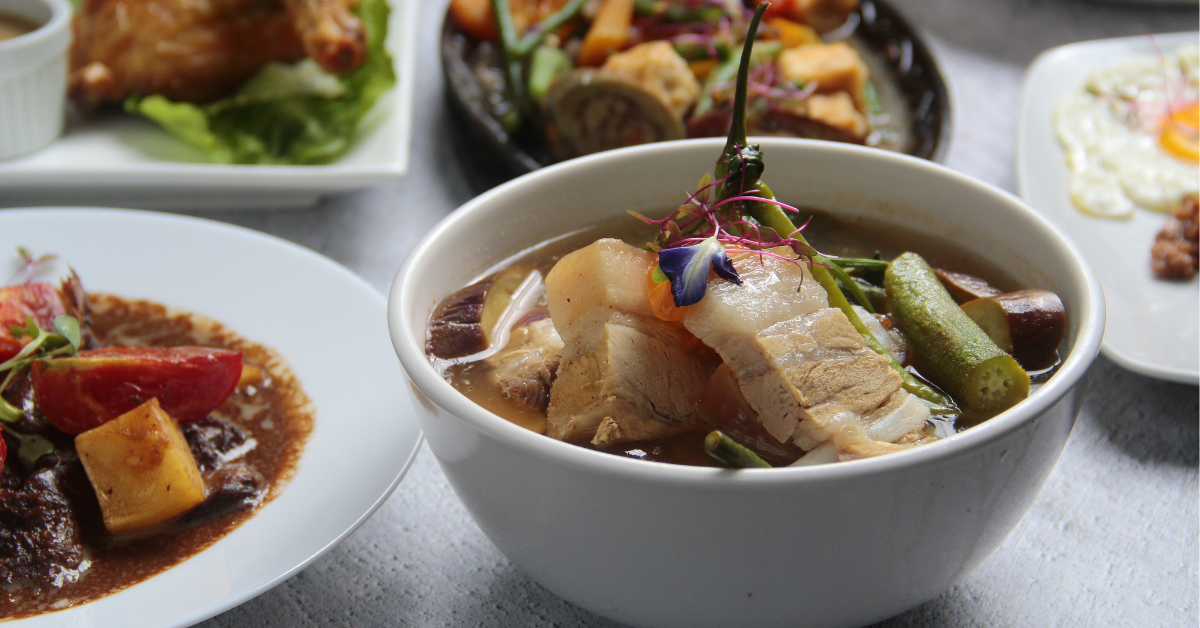
The Philippine Statistics Authority (PSA) reported that restaurants, cafes, eateries, and fast-food outlets recorded a 4.1-percent inflation in January 2026, up from 2.6 percent in December 2025, making the sector one of the main drivers of overall price increases. Dennis Mapa, national statistician and civil registrar general, said the rise was largely driven by higher prices for cooked meals, especially meat-based dishes like adobo and pork sinigang. “Most of these are the ready-to-eat food that our countrymen buy in cafeterias and carinderias,” he said. He added that typical set meals saw significant price jumps. “For example, the pork sinigang with rice meal may have increased by around 10 percent. The pork adobo with rice and softdrinks went up by 14 percent,” he noted. Mapa explained that while pork prices themselves remained relatively stable, increases in other costs such as raw materials, energy, rent, and wages likely contributed to the higher meal prices. “The set meals that our fellow citizens buy in carinderias have increased by more than 10 percent. We are also seeing that raw materials, especially pork meat, as well as energy and rent for the place, are increasing,” he said. “Plus, maybe wages,” he added.