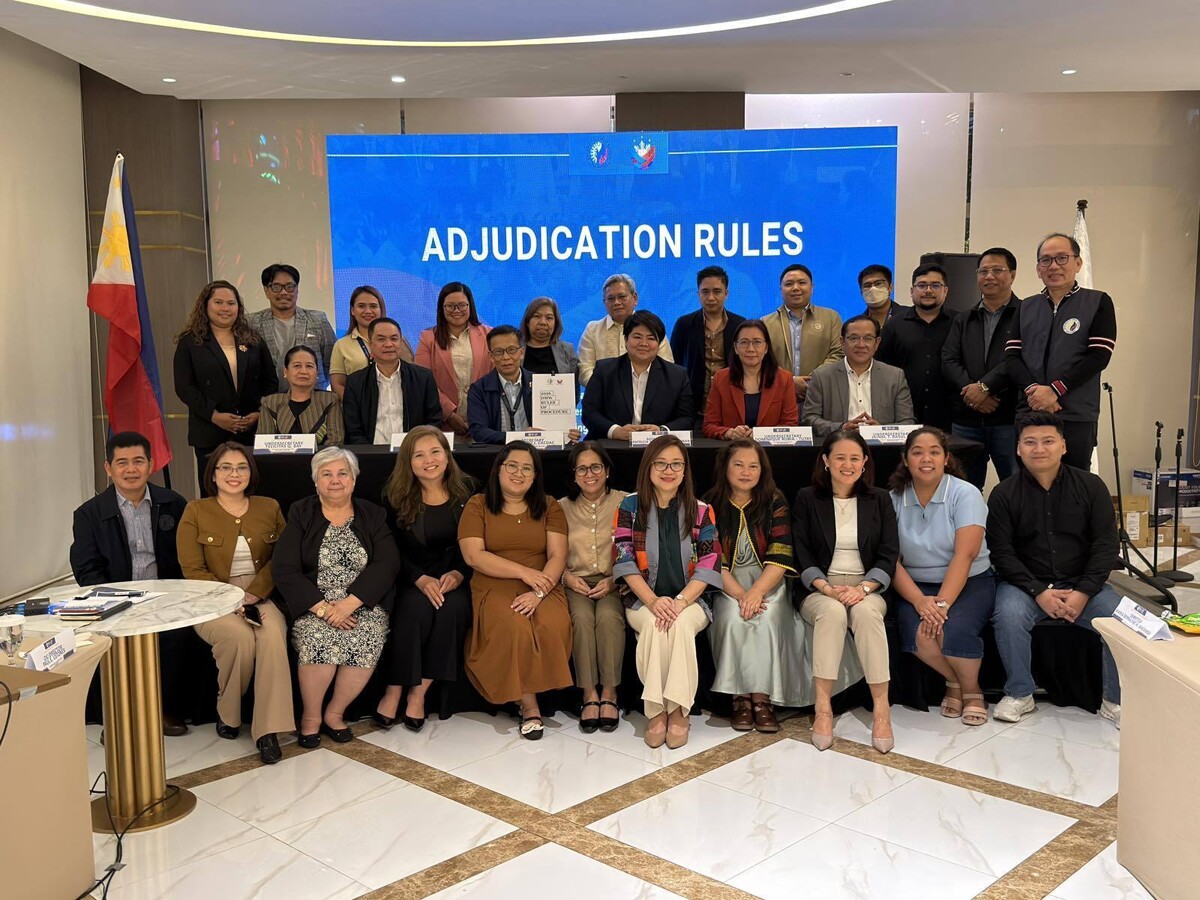
The Department of Migrant Workers (DMW) has signed new rules that simplify access to justice for Filipino workers overseas. Case hearings will now be conducted at DMW regional offices, with regional directors authorized to issue decisions. This change brings the adjudication process closer to workers and their families, making justice more accessible nationwide. To further expand access, hearings may now be conducted through videoconferencing, allowing overseas Filipino workers abroad or in remote areas to participate without being physically present. The rules also modernize the adjudication process by allowing electronic filing and service of pleadings, standardizing complaints submitted on-site, and providing clear grounds for dismissing cases that are clearly without merit. “The Rules enhance the issuance of Orders of Preventive Suspension, especially in serious cases involving human trafficking, illegal recruitment, deployment of minors, or incidents where a worker dies or experiences severe physical, psychological, or sexual abuse,” the DMW added. The agency also said cases involving women, persons with disabilities and other vulnerable groups will be handled by adjudicators trained in gender and social inclusion, ensuring sensitivity and due process. The signing took place during the DMW’s year-end performance assessment and planning conference, led by Migrant Workers Secretary Hans Leo J. Cacdac. Overseas Filipino workers (OFWs) may soon file complaints online and attend hearings remotely under newly signed rules by the Department of Migrant Workers (DMW). On February 12, the DMW signed the Rules of Procedure for the Adjudication of Cases, establishing a rights-based system that emphasizes transparency, faster case resolution, and greater access to justice. Under the updated rules anchored in Republic Act No.